Archives
- 2026-10
- 2026-09
- 2026-08
- 2026-07
- 2026-06
- 2026-05
- 2026-04
- 2026-03
- 2026-02
- 2026-01
- 2025-12
- 2025-11
- 2025-10
- 2025-09
- 2025-03
- 2025-02
- 2025-01
- 2024-12
- 2024-11
- 2024-10
- 2024-09
- 2024-08
- 2024-07
- 2024-06
- 2024-05
- 2024-04
- 2024-03
- 2024-02
- 2024-01
- 2023-12
- 2023-11
- 2023-10
- 2023-09
- 2023-08
- 2023-07
- 2023-06
- 2023-05
- 2023-04
- 2023-03
- 2023-02
- 2023-01
- 2022-12
- 2022-11
- 2022-10
- 2022-09
- 2022-08
- 2022-07
- 2022-06
- 2022-05
- 2022-04
- 2022-03
- 2022-02
- 2022-01
-
Introduction Multiple sclerosis MS a neurological autoimmune
2022-02-15
Introduction Multiple sclerosis (MS), a neurological autoimmune disease, is driven by CD4+ MK-8931 mg of the T helper (TH) cells [1]. There is no curative treatment for MS and the present treatments typically focus on immunomodulation for slowing the progression of the disease. These includes inte
-
Polyunsaturated fatty acids PUFAs represent
2022-02-15
Polyunsaturated fatty acids (PUFAs) represent a class of lipids that contain two or more carbon double (unsaturated) bonds (CC) and classified as n-3, n-6 and n-9 fatty acids. PUFAs including n-3 such as docosahexaenoic Sodium 4-Aminosalicylate receptor (DHA), eicosapentaenoic acid (EPA) and n-6 su
-
Glutamate aspartate transporters or excitatory amino acid tr
2022-02-15
Glutamate-aspartate transporters or excitatory amino RGDS peptide transporters (EAATs) are essential for the maintenance of glutamate homeostasis. EAATs are widely distributed in central neurons and glial cells (Danbolt, 2001, Martinez-Lozada et al., 2011). They are driven by Na + and K+ gradients
-
Communication through GJ channels is regulated at
2022-02-15
Communication through GJ channels is regulated at different levels and includes GJ plaque internalization into a single cell. Those vesicles contain the membrane of both cells and th assembled Cx43. The C-terminal domain of Cx43 interacts with different peptides and proteins. However, the internaliz
-
BIO-acetoxime australia Herein we describe the development
2022-02-15
Herein, we describe the development of second generation GSM compounds aimed at improving critical physicochemical properties while maintaining the potent activity of the parent AGSM. Ligand design focused on identifying heterocyclic replacements for the hydrophobic D-ring as a means to improve ADME
-
br Novel mechanisms of fipronil
2022-02-15
Novel mechanisms of fipronil resistance in planthoppers Conclusion Conflict of interest Introduction Methamphetamine, a widely abused drug, is mainly used as a psychostimulant although it is occasionally used at low doses for medical purposes, such as in attention deficit or hyperactivit
-
A great number of proteins entering the nucleus possess a
2022-02-15
A great number of proteins entering the nucleus possess a characteristic nuclear localization sequence (NLS) in their primary structure. One of such sequences is the KKKGK motif [30]. It is present in all known muscle (but not liver – except human liver) FBPase sequences (human, rabbit, rat and mous
-
The urea derivatives a e
2022-02-15
The urea derivatives 7a–e were obtained from 1-(3-phenoxybenzyl)-piperazine (6) by reaction of isocyanate, or triphosgene and subsequent reaction of produced carbamoyl chloride with the amine RH as shown in Scheme 2. The imidazole urea 7g was prepared by reaction of 6 with 1,1′-carbonyldiimidazole.
-
br Materials and methods br Results br Discussion In general
2022-02-15
Materials and methods Results Discussion In general, we have demonstrated that the CRISPR/dCas9-based system, fused with 2 × PP7 and PCP-EZH2, could stably and precisely methylate the H3K27 at specific locus of C/ebpα to silence gene expression and inhibit adipogenic differentiation in 3T3
-
Despite the two models for the
2022-02-15
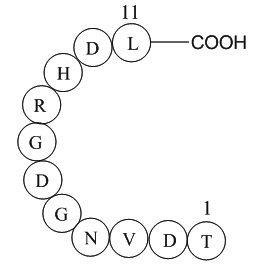
Despite the two models for the HIV-1 IN-aptamer complexes appeared to be comparable, disintegration assays revealed that 93-del inhibited C– or N-terminally truncated enzyme at the same extent, [18] whereas, T30695 required N-terminal domain (NTD) of the enzyme to exert its integrase inhibitory acti
-
Recent studies have also identified additional proteins that
2022-02-15
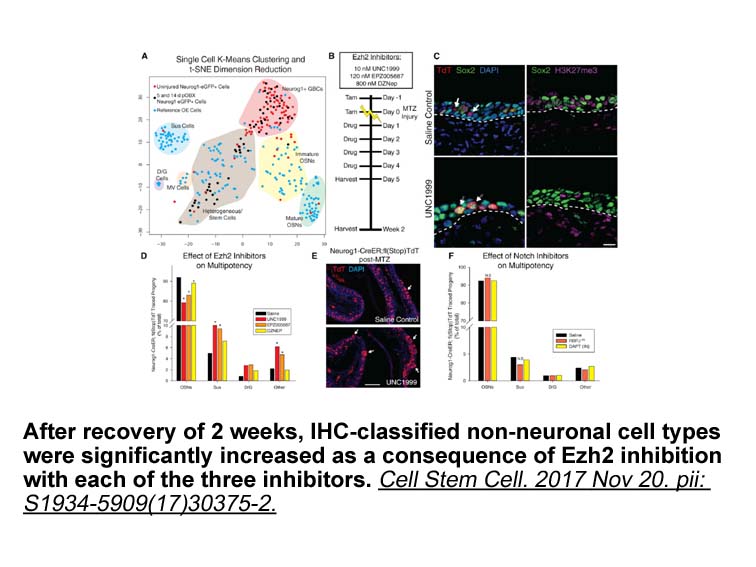
Recent studies have also identified additional proteins that could act as scaffolds and promote the interaction of core Hippo pathway components. APC, which is best known as a key component of the β-catenin destruction complex, was observed in mammalian beta lactamase inhibitor to have an additiona
-
As a possible back up to Sch we explored inhibitors
2022-02-15
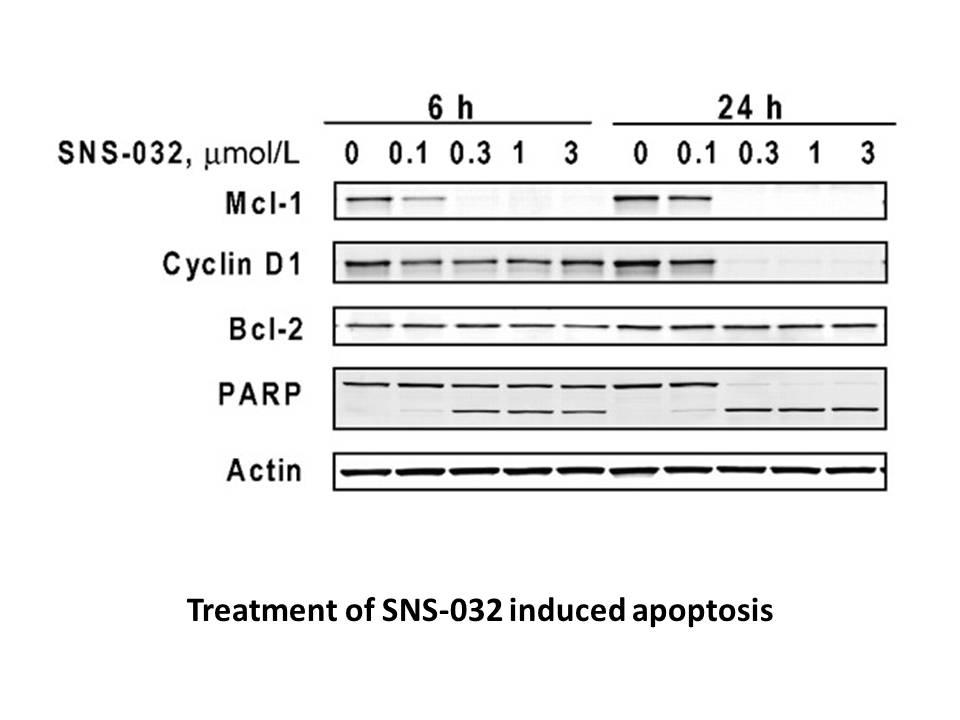
As a possible back-up to Sch 503034 (), we explored inhibitors that contained alternative electrophiles to ketoamides. Boronic acids have been extensively investigated as possible electrophiles that could react with nucleophilic serine in the context of developing inhibitors of thrombin receptor and
-
Using embelin and its analogs as surrogate GPR agonists we
2022-02-14
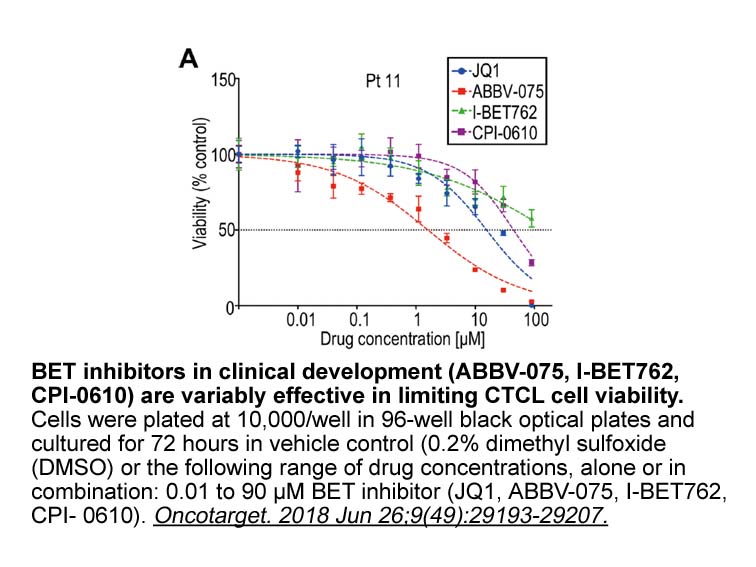
Using embelin and its analogs as surrogate GPR84 agonists we discovered that GPR84 couples to G12 and G13 signaling pathways in addition to Gi, linking receptor function to Rho/Rac signaling and modulation of the cytoskeleton. In primary human macrophages, GPR84 activation leads to Gβγ signaling, Er
-
We first set out to
2022-02-14
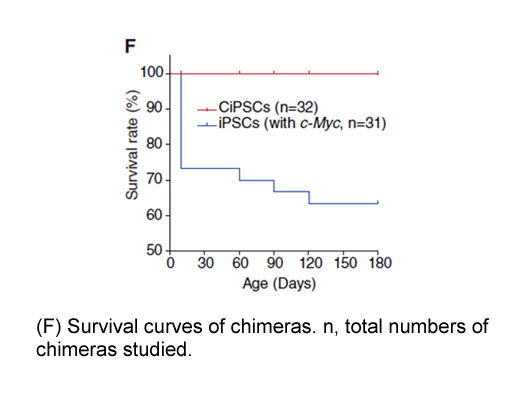
We first set out to identify the minimum pharmacophore. Early structure activity relationships (SAR) indicated that the chloro substituents were not required and that the benzisoxazole moiety could be replaced by a number of other groups. A broad survey of “left-hand” hydrophobic moieties was conduc
-
Introduction CD T cell recovery after initiation of combinat
2022-02-14
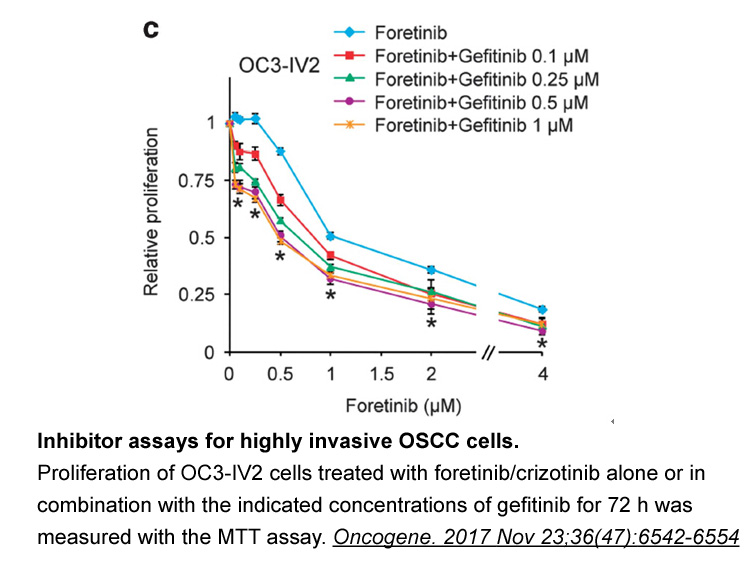
Introduction CD4+ T cell recovery after initiation of combination antiretroviral therapy (cART) is essential for restoring immune function in HIV-positive individuals [1]. However, CD4 recovery is variable and is affected by factors such as biological sex [2], [3], race [4], BMI [5], geographic reg
7996 records 510/534 page Previous Next First page 上5页 506507508509510 下5页 Last page